
Published By
Karanodaka Technologies
Release Date
November 2026
Document Length
8 Pages (Full Edition)
Audience
C-Suite & Enterprise Leads

Copyright © 2026, KaranOdaka (OPC) Private Limited. All Rights Reserved.
Modern enterprises are investing in Artificial Intelligence (AI), cloud technologies, digital engineering and business process automation to improve operational efficiency and accelerate digital transformation. However, disconnected enterprise systems, fragmented data and manual workflows continue to limit the full potential of these investments.
The challenge is no longer simply about adopting new technologies. It is about creating an integrated enterprise ecosystem where applications, data, infrastructure and business processes work together intelligently.
This requires a shift towards intelligent enterprise operations, powered by Enterprise AI, AI & Digital Engineering, Smart Automation Solutions and scalable technology infrastructure. By combining intelligent workflows, enterprise system integration, AI-driven decision support and cloud modernization, organizations can reduce operational friction, improve business visibility and establish a foundation for sustainable growth.
The Hidden Cost of Fragmented Enterprise Operations
As organizations expand, their technology environments become increasingly complex. Multiple enterprise applications, legacy systems, databases and departmental platforms often operate independently. Without effective enterprise system integration, information remains distributed across business functions, creating inefficiencies that affect productivity and decision-making.
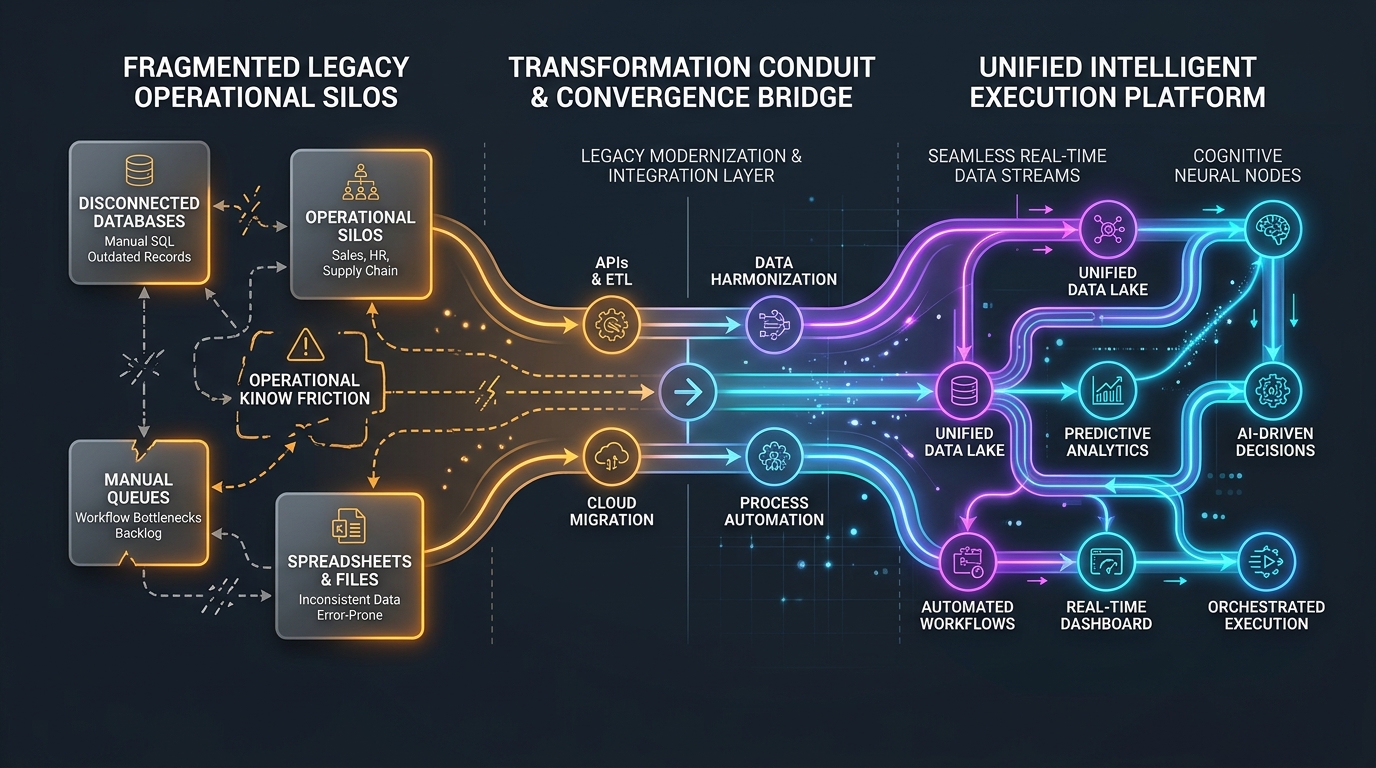
Figure 1.1: Bridging Disconnected Legacy Silos into a Unified Cognitive Automation Stream
Critical Points of Operational Friction:
Disconnected enterprise systems
Siloed OperationsApplications and databases operate in silos, restricting information flow and enterprise-wide visibility.
Manual business processes
Labor InefficienciesRepetitive data entry, document processing, approvals and administrative activities consume valuable employee time.
Fragmented data infrastructure
Data InconsistencyInconsistent data pipelines and disconnected sources make enterprise analytics and AI implementation difficult.
Delayed decision-making
Information LagBusiness leaders lack access to consolidated operational insights and real-time information.
Legacy technology limitations
Technical DebtOutdated applications and infrastructure restrict scalability, integration and modernization.
Limited workflow visibility
SLA BlindspotsOrganizations struggle to monitor SLAs, process exceptions and operational performance.
Copyright © 2026, KaranOdaka (OPC) Private Limited. All Rights Reserved.
Why Traditional Automation Is No Longer Enough
Traditional business process automation has helped organizations reduce repetitive manual activities through predefined rules and task-based workflows. However, automating individual activities without addressing the underlying process architecture can create additional layers of disconnected technology.
⚠️The Invoice Automation Paradox:
Automating invoice data entry may reduce manual effort, but if verification, approvals and financial reconciliation continue through disconnected systems, the overall workflow remains inefficient.
Modern enterprises need intelligent automation where AI, RPA, API integrations, and workflow orchestration work together.
Three Essential Capabilities for Intelligent Operations:
Process Intelligence
Understanding business workflows, identifying operational bottlenecks and determining where AI-driven optimization delivers measurable improvements.
System Integration
Connecting applications, databases, APIs and cloud platforms to establish consistent information flows and eliminate persistent data silos.
Intelligent Workflows
Implementing smart automation solutions for approvals, document processing, data entry, exception handling and repetitive activities.
The Role of AI & Digital Engineering in Enterprise Transformation
Rather than treating AI as a standalone technology, enterprises must integrate practical, production-grade AI into existing systems, applications and operational workflows through six interconnected capabilities:
Custom AI Solutions
Developing AI applications and intelligent systems aligned with specific business needs.
Enterprise Application Modernization
Modernizing legacy platforms to improve maintainability, interoperability and scalability.
Data Engineering and Integration
Building reliable data pipelines and improving data quality for enterprise AI and analytics.
Intelligent Search and Routing
AI-powered natural language search and automated routing for rapid information access.
Model Deployment and Monitoring
Establishing model lifecycle governance, safety guardrails, and operational observability.
Cloud and Hybrid Infrastructure
Building scalable deployment environments across cloud, on-premise and hybrid infrastructure.
Copyright © 2026, KaranOdaka (OPC) Private Limited. All Rights Reserved.
A Five-Layer Framework for Intelligent Enterprise Operations
A sustainable digital transformation strategy requires a structured approach connecting business objectives with technology execution across five interconnected architectural layers:
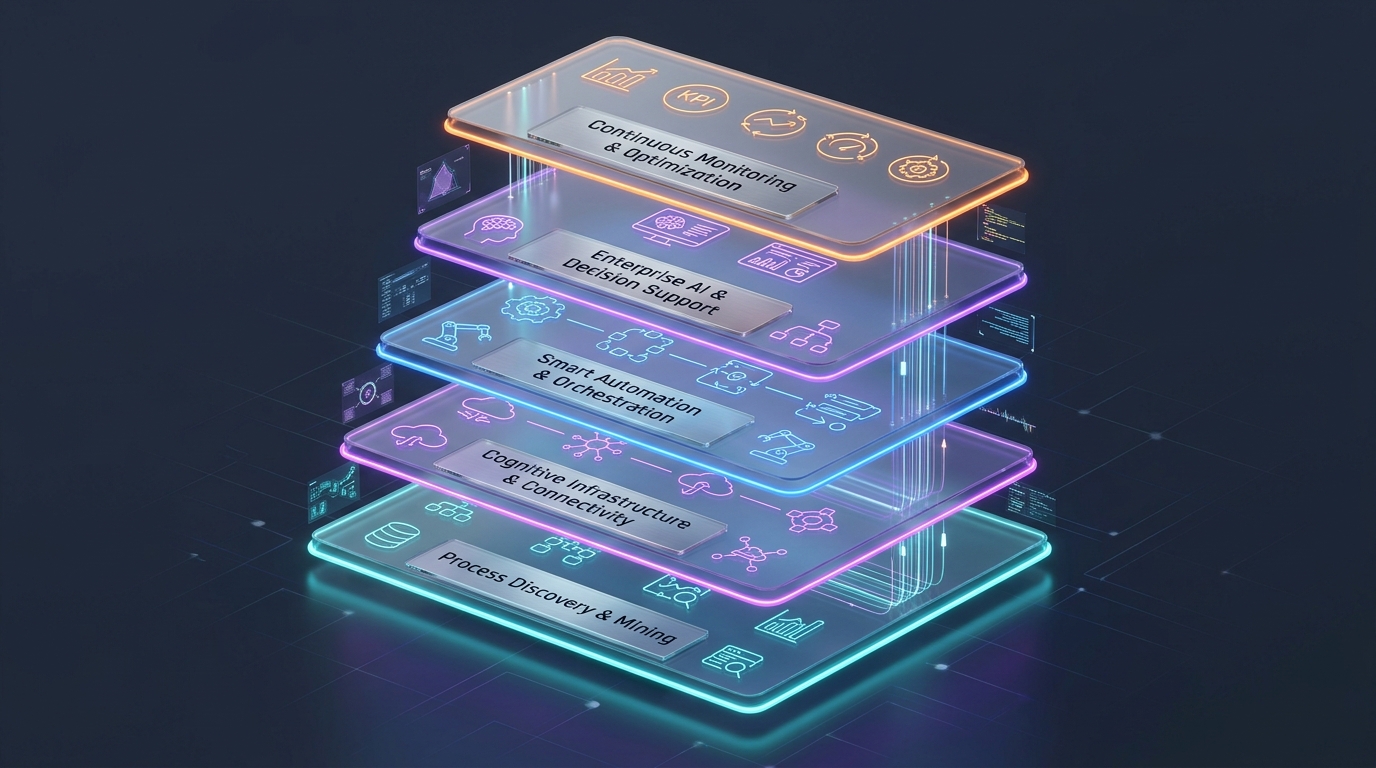
Figure 4.1: The 5-Layer Cognitive Architecture Stack — From Process Mining to Continuous Optimization
Process Discovery and Digital Assessment
Identify repetitive activities, manual dependencies, technology limitations and integration gaps across enterprise workflows. Assess processes based on business impact, operational complexity, data readiness and automation feasibility.
Cognitive Infrastructure and Data Connectivity
Establish scalable cloud infrastructure, enterprise data pipelines, API integrations, and secure information access, enabling systems to exchange real-time intelligence.
Smart Automation and Workflow Orchestration
Implement workflow automation, RPA bots, API integrations, automated data entry, document processing, SLA monitoring, exception handling, and cross-functional orchestration.
Enterprise AI and Intelligent Decision Support
Integrate intelligent search, document intelligence, predictive analytics, anomaly detection, demand forecasting, and AI business assistants within strict governance frameworks.
Continuous Monitoring and Optimization
Establish measurable KPIs to monitor turnaround times, automation coverage, system reliability, exception frequency, and resource utilization to continuously scale successful initiatives.
Figure 4.2: Closed-Loop Intelligent Operations Architecture
Copyright © 2026, KaranOdaka (OPC) Private Limited. All Rights Reserved.
Modernizing Enterprise Technology for Scalable Growth
Intelligent operations depend on a reliable technology foundation. Organizations must ensure that cloud infrastructure, enterprise applications, data platforms and security frameworks can support growing business requirements while eliminating legacy architectural debt.
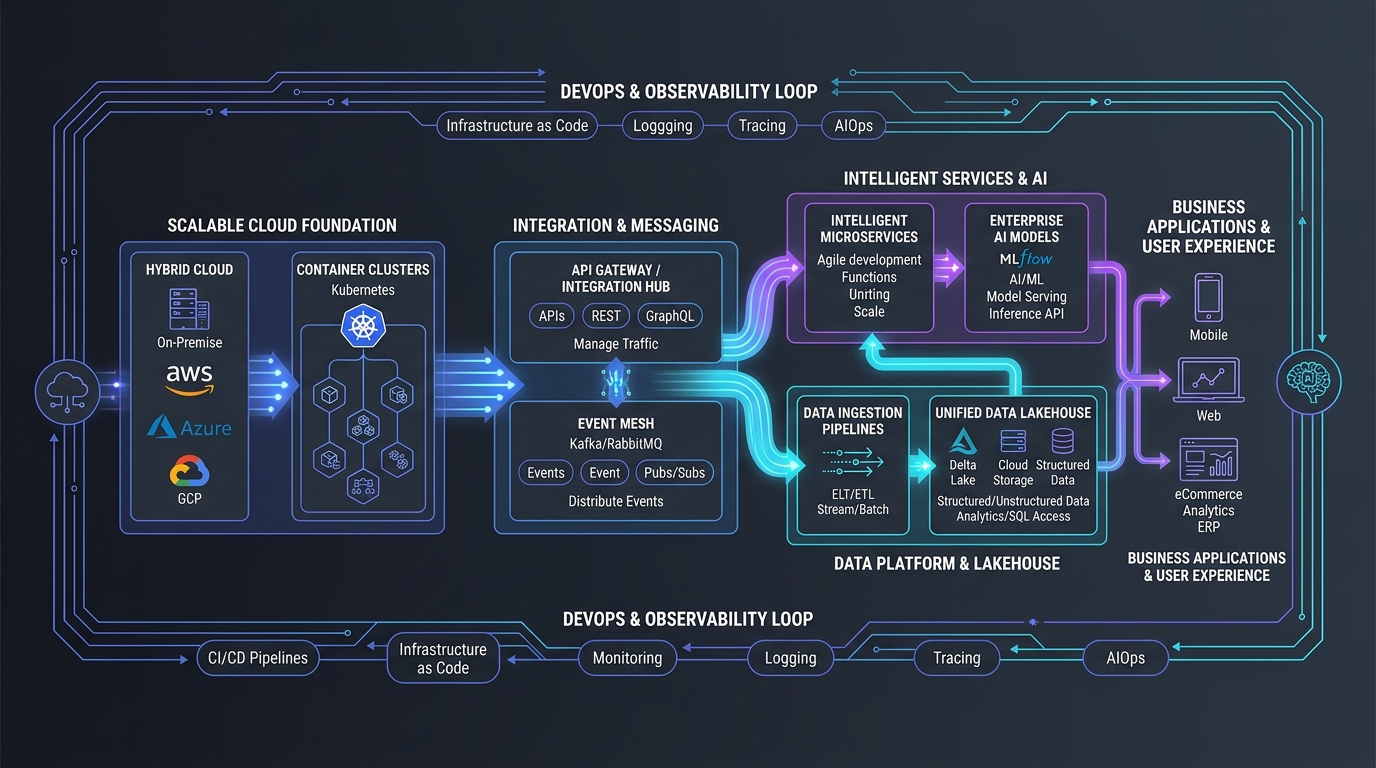
Figure 5.1: Enterprise Technology Modernization Blueprint & Hybrid Cloud Ecosystem
Key Enterprise Modernization Priorities:
Cloud & Infrastructure Modernization
ResilienceBuilding resilient cloud foundations that support scalability, high availability, reliability and strict cost governance.
Application Engineering
ModularityModernizing core legacy business applications to improve runtime performance, maintainability and microservices integration.
Data and Analytics
Data QualityDeveloping high-quality unified data pipelines and Lakehouses that enable real-time analytics and predictive AI insights.
Integration and Automation
InteroperabilityConnecting enterprise applications through secure REST/GraphQL APIs and automated event-driven workflows.
Security and Compliance
GovernanceEmbedding zero-trust access controls, end-to-end encryption, security hardening, and governance into technical architecture.
DevOps and Observability
TelemetryAccelerating deployment frequency, automated testing, distributed system monitoring, and operational reliability.
Modernization Tenet:
“A phased modernization strategy allows organizations to strengthen existing technology investments while preparing for future AI adoption and enterprise-wide automation.”
Copyright © 2026, KaranOdaka (OPC) Private Limited. All Rights Reserved.
Measuring the Impact of Intelligent Enterprise Operations
Successful digital transformation should be evaluated through measurable business outcomes rather than the number of technologies implemented. Organizations must establish a rigorous performance measurement framework:
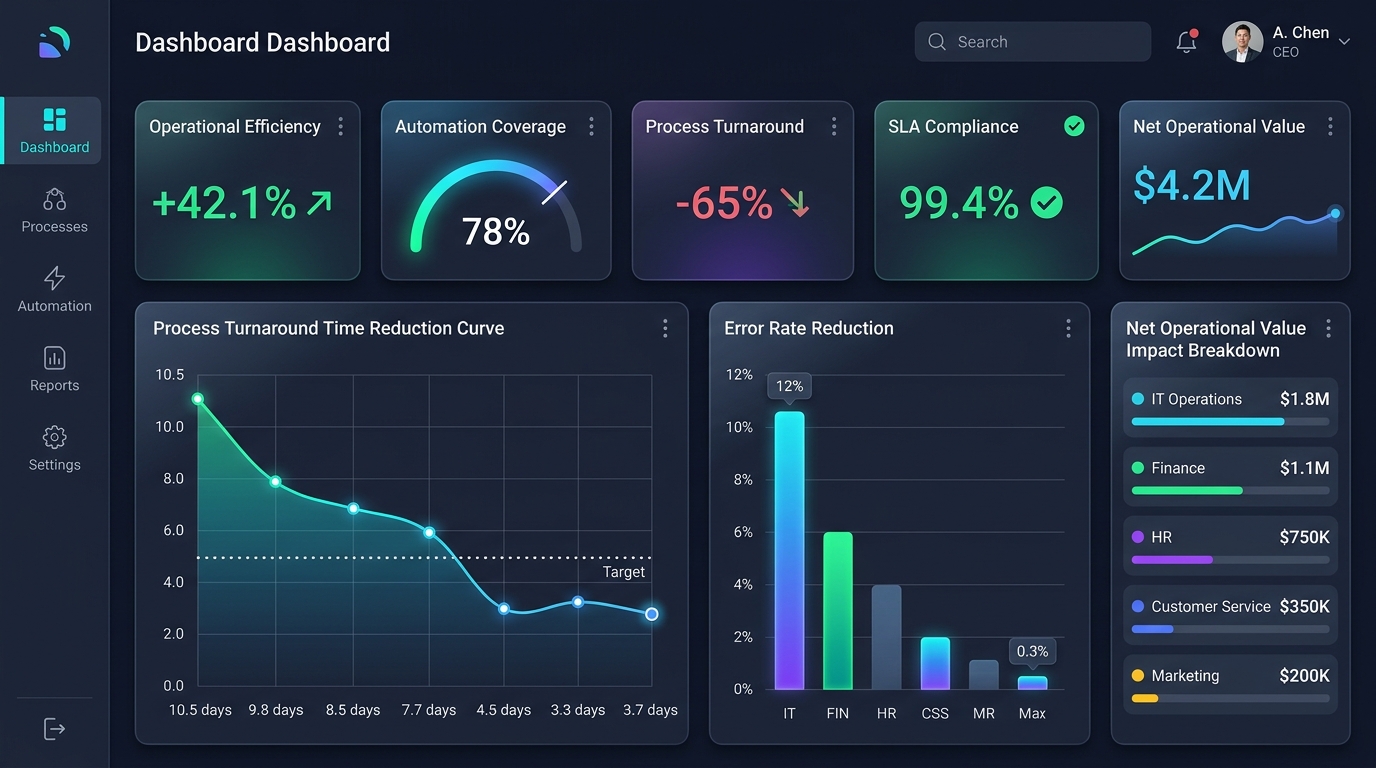
Figure 6.1: Real-Time Enterprise Operations Analytics & Net Operational Value Dashboard
The Net Operational Value Formula
Net Operational Value = Quantifiable Business Benefits − Implementation Costs − Ongoing Operating Costs
Potential benefits include reduced manual effort, improved throughput, lower rework, increased resource utilization and more consistent business processes. The actual business impact depends on process complexity, data readiness, and existing infrastructure.
| Performance Area | Key Measurement |
|---|---|
| Business Process Automation | Percentage of eligible tasks automated |
| Operational Efficiency | Reduction in manual processing hours |
| Workflow Performance | Average process turnaround time |
| Data Quality | Error rates and data inconsistencies |
| Enterprise Integration | Reduction in disconnected processes and manual handoffs |
| Cloud Modernization | Infrastructure reliability and resource utilization |
| AI Performance | Accuracy, adoption and model performance |
| Operational Excellence | SLA compliance and exception resolution time |
Copyright © 2026, KaranOdaka (OPC) Private Limited. All Rights Reserved.
A Practical Roadmap for Enterprise Digital Transformation
Moving towards intelligent enterprise operations requires more than technology selection. It requires a structured implementation approach across six progressive stages:
Discover and Assess
Evaluate existing enterprise applications, infrastructure, data environments and business workflows to identify operational challenges and high-friction bottlenecks.
Prioritize Business Opportunities
Identify high-impact opportunities for AI & Digital Engineering, enterprise application modernization and Smart Automation Solutions with high ROI potential.
Design and Integrate
Develop an architecture that connects enterprise systems, data pipelines, cloud infrastructure and business applications into a cohesive ecosystem.
Develop and Deploy
Implement production-grade AI solutions, intelligent workflows and automation capabilities with appropriate security, validation and governance controls.
Monitor and Optimize
Measure performance against predefined KPIs, monitor system reliability and continuously improve the implemented solutions through real-time feedback loops.
Scale Across Enterprise Functions
Extend successful digital transformation initiatives across departments, business units and operational environments to realize exponential network value.
Roadmap Alignment Principle:
This phased approach helps enterprises build scalable technology ecosystems while maintaining rigorous alignment between technical implementation and business objectives.
Copyright © 2026, KaranOdaka (OPC) Private Limited. All Rights Reserved.
Building the Intelligent Enterprise
The future of enterprise transformation will not be defined by the number of technologies an organization adopts. It will be defined by how effectively its systems, data, infrastructure and people work together.
The combination of Enterprise AI, AI & Digital Engineering, Cognitive Infrastructure, Enterprise Technology Services and Smart Automation Solutions creates opportunities to modernize business operations and improve organizational agility.
Organizations that prioritize connected systems, intelligent workflows, scalable infrastructure and measurable business outcomes will be better positioned to navigate increasing operational complexity.
Karanodaka Technologies
Move beyond fragmented systems. Build intelligent operations. Engineer what comes next.
About Karanodaka Technologies
At Karanodaka Technologies, we bring together AI & Digital Engineering, Enterprise Technology Services and Smart Automation Solutions to help organizations modernize digital platforms, streamline business processes and build intelligent enterprise systems. Our approach combines practical AI, engineering expertise, scalable infrastructure and operational discipline to turn complex technology challenges into dependable business solutions.
AI & Digital Engineering Practice
Modernize legacy applications, build custom AI pipelines, and eliminate operational bottlenecks.
Consult with engineers →Smart Automation & Infrastructure
Deploy cognitive workflows, RPA orchestration, and resilient cloud foundations.
Request operational assessment →Copyright © 2026, KaranOdaka (OPC) Private Limited. All Rights Reserved.